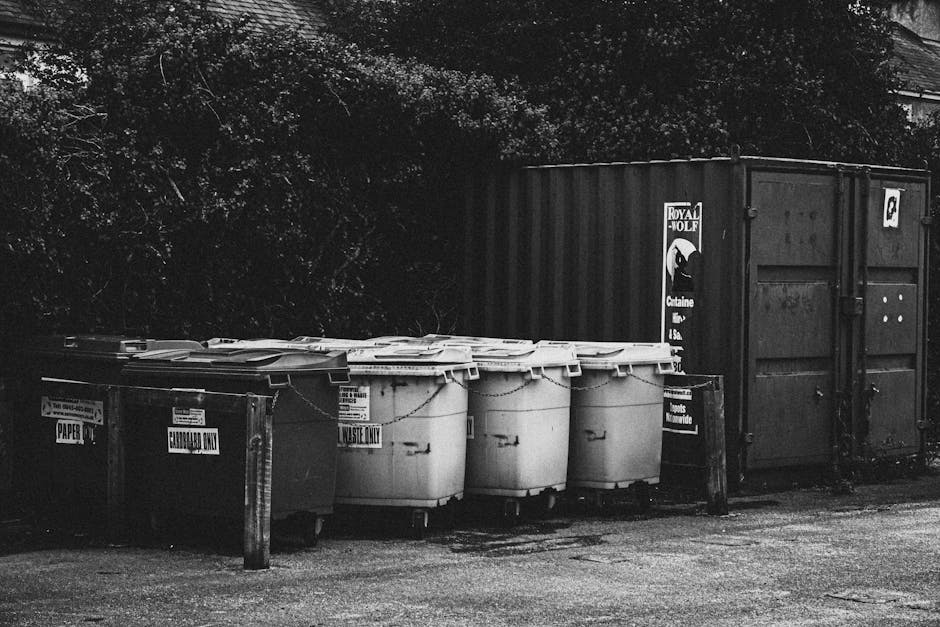
What to know before booking Teddington rubbish removal
If you are staring at a pile of broken furniture, a garage that has quietly become a storage unit, or garden waste that arrived after a weekend project and never quite left, you are probably wondering what to know before booking Teddington rubbish removal. Fair question. The process looks simple from the outside, but the details matter: what can be taken, how pricing works, whether the team can access your property, and what happens to the waste afterwards.
This guide walks you through the things that genuinely help you book with confidence. It is written for real-life situations in Teddington, where homes can be tight on access, parking can be awkward, and one skipped detail can turn a quick clearance into a long afternoon. Let's make it easier, and a bit less guessy.
Table of Contents
- Why this matters before you book
- How rubbish removal usually works
- Key benefits and practical advantages
- Who this is for and when it makes sense
- Step-by-step guidance
- Expert tips for better results
- Common mistakes to avoid
- Tools, resources and recommendations
- Law, compliance, standards, or best practice
- Options, methods, or comparison table
- Case study or real-world example
- Practical checklist
- Conclusion
- Frequently Asked Questions
Why this matters before you book
Rubbish removal is one of those jobs that seems straightforward until you are the one arranging it. The more clearly you understand the service before booking, the less likely you are to face surprise charges, access problems, delays, or confusion about what can and cannot be collected.
That matters even more in a place like Teddington. Older properties, shared drives, limited roadside space, flats with stair access, and busy streets can all affect how a clearance is planned. A provider may quote based on estimated volume, but if your waste is tucked into a loft or split between a front garden and a back alley, the job may take longer than expected. Not dramatic. Just the sort of thing that changes the final price or the team size.
There is also a trust element. A legitimate rubbish removal company should be able to explain disposal methods, recycling practices, insurance coverage, and what happens if they find items that need special handling. If those answers feel vague, that is your sign to slow down a little.
To be fair, most people only book this kind of service a few times in their lives. So it is easy to miss the small print. But the small print is exactly where the headaches live.
Expert takeaway: the best rubbish removal booking is not the cheapest quote on the day; it is the one that fits your load, your access, and your expectations with no awkward surprises.
How rubbish removal usually works
Most rubbish removal services follow a fairly simple process, though the finer details vary from one provider to another. In general, you contact the company, describe the waste, arrange a time, and the team comes to assess or collect it. Some jobs are priced from photos or a description in advance; others are confirmed on arrival.
For smaller loads, you may have a same-day or next-day collection. Bigger jobs often need a bit more planning. If the waste is bulky, heavy, or mixed, the team may need to sort items, carry them from different parts of the property, or bring the right vehicle for the load. That is why clear information matters so much.
Typically, a clearance visit includes:
- an assessment of the waste volume and type
- discussion of access and parking
- a price confirmation before work begins
- loading and removal of items
- responsible disposal, recycling, or recovery where suitable
If your job is more than a basic collection, you may want to look at related services such as house clearance, garage clearance, or loft clearance. Those can be more efficient when the waste is part of a larger room-by-room clear-out rather than a single pile by the kerb.
And if you are dealing with a mixture of household items, old appliances, or bulky furniture, it helps to think in categories rather than just "rubbish." That one shift saves people a lot of confusion.
Key benefits and practical advantages
The appeal of rubbish removal is not just getting rid of stuff. It is getting rid of it in a way that is quicker, safer, and less exhausting than doing it yourself.
Here are the main advantages people usually notice:
- Less physical strain: no lifting heavy furniture down stairs, no awkward loading into a car, no multiple tip runs.
- Faster turnaround: a good team can clear what might take you a whole weekend.
- Better space management: useful when you are preparing to move, renovate, or just reclaim a room.
- Cleaner finish: a proper clearance leaves the area swept and tidy, not half-done.
- Improved recycling potential: separate materials and reusable items can often be diverted more effectively than if you dump everything together.
There is a practical side too. When waste is removed promptly, you reduce trip hazards, bad smells, damp issues from stored rubbish, and the general mental drag of having it sit there for weeks. Anyone who has lived with a half-cleared hallway knows the feeling. It gets in your way in subtle ways, every single day.
If sustainability matters to you, ask how the company approaches sorting and recycling. A responsible provider should be able to talk plainly about recycling and sustainability, not hide behind vague "green" wording. You can also review the company's approach on recycling and sustainability if that is a deciding factor for you.
Who this is for and when it makes sense
Rubbish removal is useful for more people than you might think. It is not only for major clear-outs or renovation projects. In everyday life, it often solves smaller but annoying problems that build up over time.
This service may make sense if you are:
- moving house and need unwanted items gone quickly
- clearing a property after tenants move out
- renovating and generating mixed waste
- sorting a garage, shed, loft, or spare room
- replacing old furniture and want the items taken away
- managing a flat clearance where stairs or shared access make DIY disposal difficult
- dealing with garden waste after pruning, landscaping, or seasonal work
It is also useful for landlords, local businesses, and home office setups. For example, a small office upgrade can leave you with desks, monitors, packaging, and awkward bits of furniture that are too bulky for ordinary disposal. In those cases, a service such as office clearance or business waste removal can be a better fit than trying to piece it together yourself.
Truth be told, the "right time" is usually earlier than people think. If waste is already affecting access, safety, or day-to-day comfort, it is probably time.
Step-by-step guidance
If you want a smoother booking, follow a simple structure. It sounds basic, but it works.
1. Identify exactly what needs to go
Walk the space and make a list. Separate the load into rough categories: furniture, garden waste, mixed household rubbish, building waste, or office items. If you have a lot of furniture, the service may be closer to furniture clearance than standard rubbish removal. That distinction helps the provider estimate time and vehicle space more accurately.
2. Check access and parking
Look at where the team would park, how far they would need to carry items, whether there are stairs, narrow hallways, or rear access, and whether any building rules apply. In some Teddington streets, parking is the part that makes or breaks the day. Not glamorous, but very real.
3. Ask what is included in the quote
Always confirm whether the quote covers labour, loading, disposal, recycling, and any congestion or access considerations. You do not want to be halfway through the morning and discover that the "cheap" rate only covered the first few items. That is never a fun conversation.
4. Mention special items early
Some items need extra handling. Examples may include fridges, mattresses, paint, plasterboard, or damaged electricals. If your waste includes construction debris, a service like builders waste clearance may be more suitable than a generic load. Better to be upfront now than explain it by the front gate later.
5. Prepare the area
If possible, gather loose items into one place and clear a path. You do not need to do the heavy lifting yourself, but a tidy approach can reduce the time on site. One client once grouped everything in a driveway under a tarpaulin, and the whole job was cleaner and quicker because of it. Small effort, big difference.
6. Confirm the collection window
Ask when the team is expected to arrive and how long the visit may take. Timing matters if you need to leave for work, manage children, or share space with neighbours. A clear window is much less stressful than a vague "sometime this afternoon."
7. Check the final handover
Once the waste is removed, do a quick walk-through. Make sure the agreed items are gone, the area is tidy, and nothing important has been moved by mistake. It only takes a minute, and it is worth doing.
Expert tips for better results
There are a few habits that make a clearance noticeably easier. None of them are complicated, which is partly why people overlook them.
- Take photos before booking. A couple of clear pictures usually help more than a long description.
- Separate reusable items. If something can be donated, repurposed, or sold, keep it apart from general waste.
- Be honest about volume. Underestimating waste nearly always leads to awkward adjustments.
- Check whether the provider recycles as standard. It is a good sign if they can explain where different materials go.
- Plan for weather if items are outside. Rain-soaked cardboard, garden waste, or soft furnishings can be heavier and messier than they look on a dry day.
If you are clearing outside areas, a dedicated garden clearance service can be more efficient than lumping everything into a general job, especially after hedge cutting, tree trimming, or a tidy-up after a damp weekend when the soil is still clinging to everything.
And here is a small but useful tip: if you are not sure whether something counts as rubbish, ask before booking. That simple question avoids confusion later. It really does.
Common mistakes to avoid
Most problems with rubbish removal are preventable. The tricky part is that they often look minor at the start.
- Booking on price alone. Cheapest is not always best if the provider is vague about what is included.
- Failing to mention access issues. A tight staircase, basement flat, or long carry distance can change the job quite a bit.
- Mixing all waste together. This can make sorting harder and may affect disposal options.
- Leaving special items out of the description. Electrical items, sharp materials, or heavier waste need to be known in advance.
- Assuming every company removes everything. Some items need separate handling, and some may not be accepted at all.
- Not checking the paperwork or terms. A quick read of terms and conditions can prevent unnecessary confusion.
One common slip is forgetting that a "small" job can still be a heavy one. A few broken wardrobes, soaked garden bags, and a cracked chest of drawers can weigh far more than they look. Oddly enough, waste has a habit of growing heavier when you are the one carrying it.
Tools, resources and recommendations
You do not need specialist software or a complicated planning system. A few simple tools are enough to make the booking smoother and the collection more efficient.
- Smartphone camera: take clear photos from several angles.
- Notes app or checklist: list what needs removing and what must stay.
- Measuring tape: helpful for oversized items or access points.
- Bin bags, labels, or tape: useful for separating keep, donate, recycle, and remove piles.
- Calendar reminder: a basic but effective way to prepare for arrival time.
If your job is tied to furniture replacement, it may help to look at furniture disposal if the items are being replaced and you want to make the transition in one clean step. For properties that need a broader clean-out, home clearance or garage clearance may be more appropriate, depending on where the clutter has accumulated.
Also, if you care about service standards, have a quick look at the company's pages on insurance and safety and health and safety policy. Those pages are not exciting, granted, but they tell you a lot about how seriously a provider takes the job.
Law, compliance, standards, or best practice
Rubbish removal in the UK is not just about loading items into a vehicle and driving away. Good operators are expected to handle waste responsibly, follow safe working practices, and dispose of materials in a lawful way. You do not need to become a regulations expert, but you should expect clear, sensible answers about how waste will be managed.
As a customer, the most practical things to check are:
- whether the company is insured for the work it carries out
- whether it can explain how items are sorted and handled
- whether any restricted or hazardous items are identified before collection
- whether pricing and collection terms are clear
- whether the team follows safe lifting and access procedures
For business customers, the standard should be even tighter. Mixed office waste, archived paperwork, electricals, and fixtures can all require more structured handling than a domestic clearance. That is where a clearly defined business waste removal process helps. It reduces risk, keeps the job organised, and makes life easier if you need to explain what was collected.
Best practice also includes treating the property with care. That means protecting walls where needed, being mindful of shared entrances, and leaving the area presentable. Simple stuff, but worth saying.
Options, methods, or comparison table
People often assume rubbish removal is the same as hiring a skip. Sometimes it is not. The best option depends on the waste type, the space you have, and how much effort you want to spend managing the job yourself.
| Option | Best for | Pros | Things to watch |
|---|---|---|---|
| Man-and-van rubbish removal | Mixed household waste, bulky items, quick clear-outs | Fast, labour included, less effort for you | Price depends on volume, access, and item type |
| Skip hire | Ongoing renovation waste or repetitive disposal | You can fill it over time | Space, permits, and loading are your responsibility |
| Specialist clearance | Lofts, offices, furniture, garages, or full-property jobs | More structured, often more efficient for complex jobs | May need careful planning and accurate description |
If your waste is concentrated in one space, like a loft or outbuilding, a specialist option can be the cleanest route. If it is mostly general household clutter, a flexible removal service may be enough. If it is a renovation with repeated waste over several days, a skip might make more sense. No single answer suits every job, which is a bit annoying, but true.
Case study or real-world example
Imagine a typical Teddington flat clearance. There is a broken sofa in the lounge, three bags of old clothes, a bedside cabinet, a dead printer, and a few damp boxes in a hallway cupboard. Nothing outrageous. But the building has narrow stairs, no lift, and limited parking outside.
If that job is booked without mention of access restrictions, the team may arrive expecting a quick collection and then find themselves carrying items carefully down several flights with nowhere obvious to stop. That is where delays, extra labour, or re-quoting can creep in.
Now imagine the same job booked properly. The customer shares photos, confirms stair access, mentions parking limitations, and points out the printer as an electrical item. The provider arrives with the right vehicle and enough time allocated. The clearance is smoother, the price is more predictable, and the flat is cleared without drama. Very ordinary, but exactly how a good booking should feel.
A similar pattern applies to garage clearances. In one common scenario, the garage looks like it only contains "a few bits," but once it is sorted you discover old tools, boxes of paint, cracked storage units, and garden waste hiding in the corner. That is why garage clearance is often best treated as a distinct job rather than a vague add-on.
Practical checklist
Use this before you book. It is simple, but it catches the usual problems.
- Have I listed everything that needs to be removed?
- Have I checked whether any items need special handling?
- Have I taken photos of the waste and access points?
- Have I confirmed parking, stairs, lifts, or rear access?
- Do I know whether the quote includes labour and disposal?
- Have I asked about recycling and responsible handling?
- Have I checked the company's insurance and safety information?
- Have I read the key booking terms?
- Is this better suited to rubbish removal, furniture clearance, house clearance, or another more specific service?
- Am I ready for the team to arrive on time with clear instructions?
A small checklist like this may look obvious, but it prevents the sort of little misunderstanding that can turn a straightforward morning into a long one.
Conclusion
What to know before booking Teddington rubbish removal comes down to three things: be clear about the waste, be honest about access, and choose a provider that explains the process properly. If you do those three well, the rest usually falls into place.
It is not just about getting rid of stuff. It is about doing it safely, fairly, and in a way that fits your property and your schedule. Whether you are clearing a single bulky item, a cluttered garage, or a whole roomful of mixed waste, a little preparation goes a long way. And honestly, that bit of preparation often saves the most time.
For a better result, look for transparent pricing, sensible communication, and clear disposal practices. That is the difference between a rushed collection and a genuinely helpful service.
Get a free quote today and see how much you can save.
When you book with good information in hand, the whole thing feels calmer. Less mess, fewer surprises, and one more job quietly off your shoulders.
Frequently Asked Questions
How do I know which rubbish removal service I need?
Start with the type of waste and where it is located. General clutter, bulky furniture, garden waste, loft contents, and office items often suit different clearance approaches. If the load is mixed or access is awkward, a more specialised service is usually the safer choice.
What should I tell the company before booking?
Share the kind of waste, approximate amount, photos if possible, access details, and any special items such as electricals or heavy materials. The more accurate the description, the less likely you are to face last-minute changes.
Can I get same-day rubbish removal in Teddington?
Sometimes, yes. Same-day collections depend on availability, the size of the job, and how much planning is needed. Smaller or simpler loads are usually easier to fit in quickly.
What affects the price of rubbish removal?
The main factors are volume, weight, item type, access, and how much labour is involved. A pile at the front drive is one thing; a loft full of mixed items up narrow stairs is another entirely.
Is furniture removal different from general rubbish removal?
Often it is. Bulky furniture may need more labour and space, and it can be better handled through a dedicated furniture service. If you are removing sofas, wardrobes, or tables, a tailored approach is usually more efficient.
What happens to the waste after collection?
Responsible providers sort items for disposal, recycling, or other appropriate handling. The exact route depends on the material and condition of the waste, but a good company should be able to explain its process clearly.
Do I need to prepare the items before the team arrives?
Not usually in a heavy-lifting sense. But it does help to group items together, clear a path, and separate anything you want to keep. A bit of preparation can make the visit quicker and cleaner.
What if I am not sure whether an item can be taken?
Ask first. That is the safest answer. Some items need special handling, and a quick check before booking prevents awkward surprises on collection day.
Is rubbish removal suitable for landlords and businesses?
Yes, particularly when you need predictable timing and clear removal of bulky or mixed waste. Landlords, offices, shops, and tradespeople often benefit from a structured clearance service rather than trying to manage disposal themselves.
How do I avoid hidden charges?
Ask what is included in the quote, confirm access details, and mention all relevant items up front. Hidden charges usually appear when the original description was incomplete, so clarity is your best defence.
Should I choose rubbish removal or skip hire?
Choose rubbish removal if you want labour included and a quicker, less hands-on service. Choose skip hire if you want to fill waste over time and have enough space for the container. For many homeowners, rubbish removal is simpler.
Where can I check a provider's trust signals?
Look at pages such as about us, insurance and safety, and payment and security. They help you understand how the company operates and how seriously it takes customer protection.
What is the smartest first step if my property is very cluttered?
Take photos, list the main categories of waste, and decide what must stay. If the job is large, start with a room-by-room sort. It feels slower at first, but it usually leads to a far better booking decision.