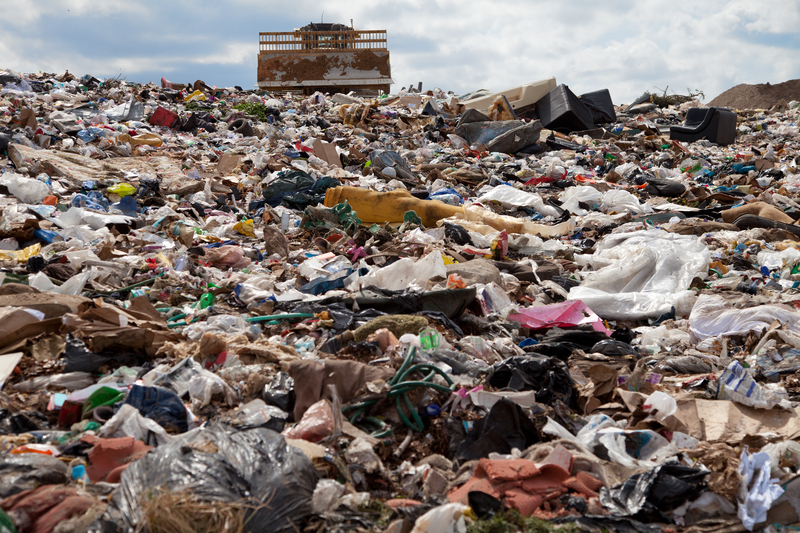
Small Changes for Big Impact in Cardboard and Packaging Disposal
Small Changes for Big Impact in Cardboard and Packaging Disposal sounds like a slogan, but it's also a practical roadmap. In our experience, the smallest tweaks to how you flatten boxes, separate materials, or plan collections can unlock surprising savings and real environmental wins. One cold Tuesday morning in London, a shopkeeper told me, "We just started breaking boxes properly and--wasn't expecting that--our store room finally breathed." You could almost smell the cardboard dust settling.
This guide is designed to help you do exactly that: make simple, evidence-based changes that cut costs, reduce pollution, and keep your operations neat. It's friendly, yes, but uncompromising on the details. We'll walk through UK regulations, practical tools, and hands-on steps you can start today. Clean, clear, calm. That's the goal.
Table of Contents
- Why This Topic Matters
- Key Benefits
- Step-by-Step Guidance
- Expert Tips
- Common Mistakes to Avoid
- Case Study or Real-World Example
- Tools, Resources & Recommendations
- Law, Compliance or Industry Standards (UK-focused)
- Checklist
- Conclusion with CTA
- FAQ
Why This Topic Matters
If you've ever stood in a stockroom at 5pm, tape snapping, bins overflowing, and tomorrow's delivery looming, you know that cardboard and packaging waste can control your day--unless you control it first. Small Changes for Big Impact in Cardboard and Packaging Disposal isn't just a nice phrase; it captures how incremental improvements in sorting, flattening, scheduling, and reporting can reduce emissions, labour hours, and clutter. Truth be told, you don't need a revolution. You need a tidy system that works for real life.
From an environmental angle, the stakes are high. The UK generated roughly 12.7 million tonnes of packaging waste in 2021, with paper and cardboard making up a large portion. European industry data indicates a paper and card recycling rate hovering around 70%+. That's encouraging, but contamination and inefficient handling still send perfectly recyclable cardboard to incineration or landfill. And every unnecessary journey or badly packed bin is extra fuel, extra carbon, extra cost.
For businesses, the financial logic is just as strong. Efficient disposal reduces collection frequency, over-weight charges, and downtime. In London, for example, many boroughs enforce strict time windows for commercial waste set-outs; a sloppy routine can mean fines and frustrated teams. Meanwhile, tidy bales of cardboard often command a rebate, especially when compliance and quality are documented properly. That's real money back, quietly paying for your effort month after month.
One more human note: when a back-of-house area feels organised, the whole team breathes easier. Less tripping over boxes. Less noise. Less "Where does this go?" murmured over the hum of a fridge unit. It's calmer work--and safer.
Key Benefits
Here's how Small Changes for Big Impact in Cardboard and Packaging Disposal translates into day-to-day wins:
- Lower disposal costs - Flattening boxes, segregating clean cardboard, and right-sizing containers can cut collection frequency and avoid overweight fees.
- Better rebates - Clean, dry cardboard often has value. Tidy bales or well-bundled stacks can attract better rates from recyclers.
- Reduced carbon emissions - Fewer truck visits, optimised routes, and higher recycling rates mean less CO2. It all adds up.
- Improved compliance - Following the waste hierarchy and UK Duty of Care keeps you aligned with the law and ready for audits.
- Safer, cleaner spaces - Flattened, stacked, and baled cardboard reduces fire risk, tripping hazards, and dust.
- Time savings - Clear routines speed up close-down, stocktakes, and morning opens. Staff get minutes back, every day.
- Stronger brand reputation - Customers notice tidy, sustainable operations. Staff do too. Culture improves in subtle ways.
And there's the less tangible benefit: momentum. Once people see quick wins, they lean in. The next change becomes easier. And so on.
Step-by-Step Guidance
This practical roadmap will get you from "boxes everywhere" to a smooth system. You don't need all the bells and whistles on day one. Start small. Build steadily.
1) Map what you actually have
For one week, track the packaging you receive and the waste streams you produce (cardboard, paper, plastics, polystyrene, mixed recyclables, general waste). Note volumes by day and any rushes--e.g., Mondays might be heavy after weekend deliveries. Snap a couple of photos. Data first, decisions after.
2) Set up clear segregation points
Place sturdy, labelled containers or cages where the waste occurs: near goods-in, in the stockroom, at packing benches. Simple labels like Clean Cardboard, Paper, Soft Plastics, General work wonders. If you're in a small cafe, a single, well-labelled cardboard area by the back door can do the job.
3) Flatten every box immediately
Use a safety knife or box cutter. Remove plastic tape and void fill where possible. Flattening is the single fastest way to reduce volume and control mess. From the first cut you'll feel the difference--less air, more space.
4) Keep cardboard dry and clean
Store flattened cardboard off the floor (pallets help) and away from food prep, oil, or rain. Wet, greasy, or food-stained board can contaminate a bale or a batch. If it's rainy--and this is Britain, so it often is--use a covered bin or lidded cage for set-outs.
5) Right-size your containers and service
Speak to your waste contractor about bin sizes and collection frequency. If you're overflowing, increase capacity or add a mid-week pick-up. If bins sit half-empty, reduce frequency to save costs and emissions. This is where those small changes have a big impact.
6) Consider a baler if volumes justify
Above a few cubic metres of cardboard per week, a small vertical baler often pays for itself via fewer collections and potential rebates. Train staff, follow safety rules, and keep bales within recommended weights. Aim for tidy, well-tied bales--recyclers love consistency.
7) Capture the data
Keep basic records: collection dates, weights, bale counts, and any rebates paid. If you can tag improvements to specific changes (e.g., "After flattening training, waste volume fell 30%"), you'll build a strong internal case to stay the course. A simple spreadsheet is fine.
8) Train and refresh
Spend 10 minutes in a team huddle: demonstrate flattening, show labels, point out common contaminants. New starters get a quick induction. Refresh quarterly--people forget, and habits drift. To be fair, we all do.
9) Audit monthly, tweak quarterly
Walk the route. Are labels legible? Are boxes getting flattened right away? Are bins set out during the correct window? Fix little things on the spot. Tweak service levels when seasons change--retail spikes, holiday periods, product launches.
10) Close the loop with suppliers
Ask suppliers for right-sized packaging, less void fill, and recyclable materials. Share your recycling spec--what's accepted, what isn't. The packaging you receive dictates the waste you must handle. A small change upstream can yield a big impact downstream.
Ever tried clearing a room and found yourself keeping everything "just in case"? Don't do that with packaging. Keep the system simple. Keep it visible. And let your team shape it--they're the ones using it, day in, day out.
Expert Tips
- Use the waste hierarchy - Prevent first, then reduce, reuse, recycle, and recover energy as a last resort. It's not just theory; it's law-backed logic in the UK.
- Remove contaminants early - Peel off tape and labels during flattening. The cleaner your cardboard, the higher its value and the smoother your collections.
- Plan for weather - Rain ruins cardboard quality. Keep a covered area or waterproof containers for set-outs, especially in autumn and winter.
- Stack smart - Don't pile loose sheets higher than chest height. It's a safety thing and a tidy-ops thing.
- Standardise bale size - If baling, keep bale dimensions and weights consistent. Reprocessors often pay better for uniformity.
- Label with visuals - A photo label showing "yes/no" examples beats a paragraph. People process images fast, especially mid-shift.
- Clock the collection window - In cities, timing is everything. Align staff schedules so set-outs happen promptly and legally.
- Track the money - Even a small cardboard rebate can offset costs. Show finance the numbers--they'll cheer you on.
- Pilot before you buy - Try a baler rental or short-term trial. Measure, then commit. No guesswork.
- Tell the story - Share wins: "Team reduced cardboard volume by 40% this month!" Recognition keeps momentum alive.
One micro-moment: a warehouse supervisor in Manchester once said, under buzzing fluorescent lights, "We changed nothing big... just flattened and stacked right. Our aisle's finally clear." Small change. Big sigh of relief.
Common Mistakes to Avoid
- Letting cardboard get wet - Moisture is the enemy. Keep it covered and off the ground.
- Not flattening immediately - Boxes left intact eat space and time. Flatten as you go.
- Mixing materials - Cardboard plus food or plastics equals contamination. Segregate properly.
- Wrong container sizes - Overflows lead to fines and mess; half-empty bins waste money. Right-size your kit.
- Zero training - Assuming "people will just know" is a trap. A 10-minute demo can save hours later.
- No data - Without tracking, you can't prove savings or spot problems early.
- Ignoring fire safety - Cardboard is combustible. Don't block exits; follow storage guidance.
- Skipping tape removal - Tape reduces fibre quality and can jam equipment. Remove it when you flatten.
- Over-baling - Too-heavy bales risk injury and collection refusals. Follow kit specs.
- Not checking contractor credentials - Always verify waste carrier licences and get Waste Transfer Notes.
Yeah, we've all been there--good intentions, messy corners. A few fixes and the difference is night and day.
Case Study or Real-World Example
Scenario: A mid-size e-commerce brand in East London, with 18 staff, was struggling with overflow. Deliveries came daily; cardboard piled up behind the packing benches, awkward and loud when the tape tore late in the afternoon.
Actions taken:
- Introduced immediate flattening and tape removal at goods-in
- Added clear signage and a dedicated cardboard cage with a waterproof cover
- Tested a small vertical baler (trial rental for 8 weeks)
- Adjusted collections from three times per week to once weekly, plus bale pick-up as needed
- Logged weights, bale counts, and time spent per shift
Results after 12 weeks:
- Volume reduction: ~45% less space taken by cardboard (post-flattening and baling)
- Collection reduction: 3 to 1 weekly collections for loose recycling
- Cost impact: 28% reduction in monthly waste fees plus a modest cardboard rebate
- Time saved: 30-40 minutes saved per day across the team
- Compliance boost: Neater records, consistent Waste Transfer Notes, smoother audits
It was raining hard outside the day they switched to covered set-outs. Not a single soggy box. Spirits were oddly high for a Thursday.
Tools, Resources & Recommendations
These aren't fancy--just what works in the field. Choose what fits your scale.
- Safety knives/box cutters - Ergonomic, retractable blades reduce accidents and speed flattening.
- Stackable cages or pallets - Keep cardboard off the floor and easy to move.
- Weatherproof covers - Simple tarps or lidded containers protect fibre quality.
- Vertical baler (if justified) - Small footprint, consistent bales. Check bale weights and tie wire specs.
- Label packs with visuals - Laminated A4 sheets showing correct segregation and common contaminants.
- Weighing scales or bale counter - Light-touch data capture for rebates and reporting.
- Spreadsheet or simple waste app - Log collections, weights, and costs monthly.
- Gloves and eye protection - Especially for baling or handling strapping wire.
Knowledge resources: Look for guidance from WRAP (Waste & Resources Action Programme), Recycle Now, the Environment Agency, SEPA (Scotland), NRW (Wales), NIEA (Northern Ireland), and your local council's commercial waste pages. For quality specs, many recyclers reference BS EN 643 (European List of Standard Grades of Paper and Board for Recycling). ISO 14001 can support broader environmental management frameworks.
Law, Compliance or Industry Standards (UK-focused)
Here's what matters for cardboard and packaging disposal in the UK. Not legal advice, but field-tested essentials.
- Duty of Care (Environmental Protection Act 1990) - Businesses must store, transport, and dispose of waste responsibly. Keep it secure, prevent escape, and use authorised waste carriers.
- Waste (England and Wales) Regulations 2011 - Embed the waste hierarchy in decisions: prevent, reduce, reuse, recycle, recover, dispose. Similar regimes apply in Scotland and Northern Ireland.
- Waste Carrier Registration - Use licensed carriers only. Verify their registration and keep records.
- Waste Transfer Notes (WTNs) - For each non-hazardous waste transfer, keep WTNs or equivalent digital records for at least two years. Include EWC code (often 15 01 01 for paper/cardboard packaging), quantities, and signatures.
- Packaging Waste Producer Responsibility - Under the UK Packaging Waste Regulations and the evolving EPR (Extended Producer Responsibility) scheme, obligated producers must report and pay for packaging placed on the market. Keep accurate data; EPR is tightening reporting and cost signals.
- Local rules and time windows - Many boroughs (especially in London) dictate when and where you can present commercial waste. Check signage and council guidance.
- Health & Safety - If using machinery (e.g., balers), comply with PUWER. Train staff, maintain kit, and manage fire risk. Don't store bales near exits; follow your Fire Risk Assessment.
- Quality standards - For recycling markets, BS EN 643 outlines acceptable grades. Keeping cardboard clean and sorted helps meet these grades, yielding better value.
If you're unsure, ring your council's commercial waste line. People are helpful. They want you compliant and tidy, same as you.
Checklist
Use this quick list to lock in those small changes with big impact.
- [ ] Map incoming packaging types and weekly volumes
- [ ] Set up clearly labelled segregation points at goods-in and packing areas
- [ ] Train staff to flatten boxes immediately and remove tape
- [ ] Keep cardboard clean, dry, and stored off the floor
- [ ] Right-size containers and adjust collection frequency
- [ ] Consider a baler if volumes are high; train and follow safety rules
- [ ] Capture data: weights, bale counts, rebates, costs
- [ ] Retain WTNs and verify waste carrier registration
- [ ] Engage suppliers to reduce and improve packaging
- [ ] Audit monthly; tweak signage, kit, or service as needed
Ever moved one sign and suddenly the whole process flowed better? You'll see why this list works once you try it.
Conclusion with CTA
Small Changes for Big Impact in Cardboard and Packaging Disposal isn't a theory--it's a lived reality for thousands of UK businesses. The difference between chaos and calm, cost and value, is a set of simple habits repeated well. Flatten early. Keep it dry. Label clearly. Measure little and often. And celebrate the wins, because your team deserves to see their progress.
When you stack these small improvements, the transformation is steady--and honestly, it feels good. Quieter back rooms. Fewer trips outside in the rain. Rebates that surprise you on a Friday. Less waste, less worry.
Get a free quote today and see how much you can save.
Take a breath. You're closer than you think.
FAQ
What's the fastest way to reduce cardboard volume without new equipment?
Flatten every box immediately at the point of unpacking, remove tape, and stack neatly in a labelled area. This alone often cuts volume by 50% or more and keeps your space clear.
Is wet or greasy cardboard recyclable?
Generally no. Moisture weakens fibres and grease contaminates the stream. Keep cardboard dry and free of food residues. Use covered storage or lidded containers, especially in wet weather.
Do I need a baler for Small Changes for Big Impact in Cardboard and Packaging Disposal to work?
No. Start with flattening, segregation, and right-sized collections. If volumes grow, trial a small baler and measure savings before you commit.
How do I know if my waste carrier is legitimate?
Ask for their waste carrier registration number and verify it with the relevant UK environmental regulator. Keep Waste Transfer Notes for each non-hazardous transfer for at least two years.
What UK regulations apply to cardboard disposal?
Key obligations include the Duty of Care (Environmental Protection Act 1990), Waste (England and Wales) Regulations 2011 (waste hierarchy), Packaging Waste Producer Responsibility, and local council rules for set-outs. Follow PUWER if using machinery like balers.
Can I get paid for cardboard recycling?
Yes, often. Clean, dry, well-baled cardboard can earn rebates. Rates vary with market conditions, volume, and quality. Even bundled flats can be valuable if consistent.
What's the ideal storage method for flattened cardboard?
Stack on pallets or in a cage, off the floor, and keep covered or indoors. Don't block fire exits. Keep stacks to a safe height--about chest level for loose flats is a good rule of thumb.
How often should I train staff?
Give a 10-minute induction to new starters and refresh everyone quarterly. Update signage when processes change. Small, regular touchpoints work better than one long session.
What EWC code should I use for cardboard packaging?
Typically 15 01 01 (paper and cardboard packaging). Confirm with your waste contractor to ensure documentation matches your local requirements.
Are there standards for cardboard quality in recycling?
BS EN 643 outlines standard grades for paper and board for recycling. Keeping your cardboard clean, dry, and free of non-paper materials helps meet these specs and improves value.
How do I reduce the amount of packaging coming in?
Ask suppliers for right-sized boxes, reduced void fill, and recyclable materials. Share your recycling guidelines so they understand what works best at your site. A polite nudge can shift habits upstream.
What if my council has strict time windows for waste set-out?
Align staff schedules to the window, stage cardboard indoors beforehand, and use covered, mobile containers to move quickly. If those windows clash with your operations, speak to your contractor about alternative arrangements.
Is it worth separating cardboard from mixed recycling?
Yes. Separate, clean cardboard typically secures better value and avoids contamination issues common with mixed streams. It also makes audits and reporting simpler.
How can I show management that our small changes are working?
Track a few simple metrics: number of collections per month, estimated volumes or bale counts, rebates earned, and staff time saved. A one-page monthly snapshot is enough to prove impact.
What's the most common mistake teams make?
Leaving boxes intact "until later." Once that habit is broken and flattening happens at the point of unpacking, clutter disappears and the system starts to sing.
Small Changes for Big Impact in Cardboard and Packaging Disposal really is the everyday hero's way to cut waste, costs and worry. Keep going--you're doing more good than you think.