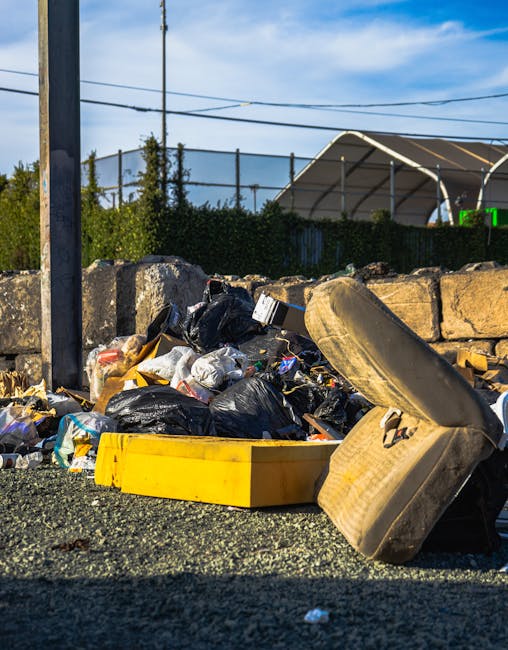
Rubbish removal by Teddington Station quick reliable service
If you need rubbish removal by Teddington Station quick reliable service, you probably need it for one of two reasons: the mess is in the way, or time is. Often both. A broken wardrobe in a hallway, builders' offcuts by the back gate, or a garage that has quietly become a graveyard for old boxes and a rusty bike - it all has a habit of building up faster than you expect.
This guide explains how local rubbish removal typically works, what a good service should feel like, where people go wrong, and how to make a sensible choice without overthinking it. We'll keep it practical, clear, and rooted in real-world use. No fluff, no mystery. Just the kind of information you'd want before booking someone to turn up, load the lot, and leave the place tidy.
And yes, near a busy station location, speed matters. You want a crew that can work around awkward access, limited parking, tight time windows, and the usual London frustration of "where exactly can the van stop?"
Table of Contents
- Why quick rubbish removal near Teddington Station matters
- How the service works
- Key benefits and practical advantages
- Who this is for
- Step-by-step guidance
- Expert tips for better results
- Common mistakes to avoid
- Tools, resources and recommendations
- Law, compliance and best practice
- Options and comparison table
- Case study or real-world example
- Practical checklist
- Conclusion
- Frequently asked questions
Why Rubbish removal by Teddington Station quick reliable service Matters
Near a station, rubbish removal is not just about getting rid of clutter. It is about timing, access, and keeping a small but busy area moving. Residential streets, flats, shared entrances, shops, and trades jobs often need collections to happen with minimal disruption. If waste sits around too long, it becomes more than untidy. It starts to block walkways, attract complaints, slow down a project, or simply make life awkward for everyone involved.
A quick reliable service is especially valuable where access can be tight. There may be parked cars, narrow paths, stairs, or a front door that opens straight onto a pavement. In those situations, the best rubbish removal is calm, efficient, and tidy. In our experience, the difference between a decent removal and a stressful one is often just preparation and punctuality. Sounds simple. It rarely is, but it should be.
This also matters for people who do not want to gamble on a skip. Skips are useful in the right setting, but they need space, permits in some cases, and a bit of planning. For a quick clear-out, a man-and-van style collection is often the more flexible option. You book, the team arrives, and the waste disappears in one visit if everything is ready. Nice, straightforward, no drama.
Practical takeaway: If you want fast rubbish removal near Teddington Station, the real value is not only speed. It is speed plus proper loading, safe handling, and a clean finish afterwards.
How Rubbish removal by Teddington Station quick reliable service Works
Most local rubbish removal services follow a simple process, though the quality of that process can vary quite a lot. A good provider will ask what needs removing, where it is located, how much there is, and whether anything needs special handling. That initial detail helps avoid the classic problem of a van turning up and nobody quite knowing what is going on. Not ideal. Not even close.
Here is the usual flow:
- You describe the load. This may be a few bulky items, mixed household junk, garden waste, or building debris.
- You get a quote or estimate. Many jobs are priced by volume, weight, type of material, or labour involved.
- The team arrives. For quick jobs, arrival windows are usually tighter, which is helpful if you are trying to work around neighbours, trades, or school-run traffic.
- Items are loaded safely. This matters more than people think. Heavy lifting, awkward furniture, and loose rubble can all cause damage if handled badly.
- The area is swept or tidied. A reliable service leaves the space better than it found it, not just emptier.
For bigger or mixed loads, the team may sort materials as they load. That can help with recycling and can prevent contamination, which is important when you are dealing with wood, metal, cardboard, green waste, or construction waste. If you are clearing a flat or house, you may also want to look at flat clearance or house clearance depending on the job type, because the right service often saves time and backache.
For businesses, timing can be even more important. A shop or office near the station cannot always shut down for a collection window. That is where something like office clearance or business waste removal can be a better fit than a generic one-off collection.
Key Benefits and Practical Advantages
The best rubbish removal service gives you more than a cleared space. It gives you breathing room. That may sound a bit grand, but if you have ever tried to move boxes around a cramped hallway at 7:30 on a wet Tuesday, you will know exactly what I mean.
- Speed: Fast collection is ideal when waste is blocking access or a project has reached the "this needs to go today" stage.
- Convenience: You do not need to hire a vehicle, recruit friends, or make five trips to a tip.
- Safer lifting: Heavy, sharp, dusty, or awkward items are handled by people used to the job.
- Better organisation: Mixed waste can be sorted on site into items for reuse, recycling, or disposal.
- Cleaner finish: A proper team does not just take the rubbish away; it clears the area properly.
- Less disruption: For homes, landlords, shops, and tradespeople, that can be a real relief.
There is also a practical financial benefit, even if it is not always obvious at first. When you combine vehicle hire, fuel, labour, parking hassle, and time, self-removal can become less cheap than it looked on paper. Truth be told, people often only notice this after they are standing beside a packed boot, wondering where that old sofa is actually going to fit. It never fits as neatly as hoped.
If your waste is mainly old furniture, it can help to compare furniture clearance with furniture disposal so you know whether you need whole-item removal or a broader mixed-waste collection.
Who This Is For and When It Makes Sense
This kind of service works well for a wide range of people. The most common users are homeowners, tenants, landlords, letting agents, tradespeople, office managers, and local businesses. If there is clutter, debris, bulky waste, or unwanted items sitting around, there is usually a sensible use case.
Typical situations include:
- End of tenancy clear-outs: Left-behind furniture, bags of rubbish, broken bits, and unwanted household items.
- Move-day mess: When the move is done, but the old junk somehow survived the cull.
- Renovation waste: Timber offcuts, packaging, tiles, plasterboard, broken fixtures, and general builders' debris.
- Garage or loft clear-outs: The spaces where "I'll deal with it later" tends to live.
- Garden waste: Branches, soil, hedge cuttings, old pots, damaged fencing, and green clutter.
- Business tidying: Cardboard, old stock, archive material, office furniture, and packaging waste.
If your place feels too full to function properly, you are probably at the point where a collection makes sense. Not every bag of rubbish needs professional help, of course. But once items become bulky, numerous, or time-sensitive, a reliable collection can save the day.
For home-based jobs, home clearance can be a useful option, especially where there is a mix of furniture, bagged waste, and general household clutter rather than one neat pile.
Step-by-Step Guidance
If you want the process to feel smooth, a little preparation goes a long way. Here is the simplest way to approach it.
1) Separate what needs to go
Walk through the space and group similar items together. Keep furniture, electrical items, bagged rubbish, and loose debris separate if you can. It makes the collection quicker and reduces confusion. You do not need to over-sort everything, just enough to make the load understandable.
2) Identify anything unusual
Paint tins, fridges, mattresses, rubble, sharp waste, and business waste can affect how the job is handled. If there is anything odd or heavy, mention it upfront. That saves everyone a headache later.
3) Think about access
Near Teddington Station, access can be the issue that decides how easy or awkward a job becomes. Can a van stop nearby? Are there stairs? Is the waste upstairs, in a basement, or behind a side gate? Tell the provider early. A one-minute chat can save twenty minutes on the day.
4) Compare the service against your needs
If the job is domestic, you may need a mixed clear-out service. If it is trade waste, check whether a builder-focused option is more suitable. For ongoing commercial waste, a service like business waste removal may be the better long-term fit. For construction debris, look at builders waste clearance so the provider understands the materials involved.
5) Book a realistic slot
Quick services are only genuinely quick if both sides are realistic. If you have not finished sorting yet, say so. If the property has awkward stairs, say so. Good providers would rather know early than turn up to surprises.
6) Prepare the space
Move small breakables out of the way, keep pets secure, and make sure the path to the waste is clear. On a damp morning, muddy boots and cluttered hallways are a poor mix. Tiny detail, big difference.
7) Confirm what happens after collection
Ask how the waste is handled, what can be reused or recycled, and whether any special items need separate treatment. If sustainability matters to you, that is where a service with a clear recycling and sustainability approach becomes especially useful.
Expert Tips for Better Results
There are a few simple things that make a rubbish removal job smoother, cheaper-looking, and less stressful. These are the bits people usually learn the hard way.
- Take photos before booking. It helps with accurate quoting and prevents surprises.
- Keep one clear access route. A tidy path means faster loading and less chance of damage.
- Be honest about volume. Guessing low can backfire. Better to be slightly generous than wildly optimistic.
- Ask about recycling and disposal. Not all waste is treated the same, and you want a team that handles it properly.
- Group similar items together. It sounds trivial. It is not. It saves time, and time is what people usually care about most.
- Remove anything you want to keep first. That sounds obvious, but it is the kind of obvious thing people forget when they are in a rush.
One useful habit is to plan around noise and neighbours. Rattling bins, furniture being lifted, and trolley wheels on paving can be noticeable. If you can choose a time that avoids school runs, delivery lorries, or the morning commuter rush, so much the better. A little thought here goes a long way.
If you need help with awkward storage spaces, garage clearance or loft clearance may be more appropriate than a generic rubbish pickup, because those jobs often involve access challenges as much as waste itself.
Common Mistakes to Avoid
Most problems with rubbish removal are preventable. The frustrating part is that people usually only realise this after the van arrives. Still, better late than never.
- Not checking access: A van may not be able to park right outside, especially near a station or on a busy residential road.
- Mixing up rubbish types: Builders' rubble, garden waste, furniture, and electricals can require different handling.
- Forgetting about heavy items: Heavy loads can affect labour and loading time. Mention them early.
- Leaving sorting until collection day: This slows everything down and can make the visit feel chaotic.
- Assuming everything is recyclable: Some materials are not reusable or recyclable in the same way. Be realistic.
- Choosing only on price: Cheap can become expensive if the service is late, unprepared, or messy.
There is also a quieter mistake: not asking what happens next. If you care about environmental handling, insurance, or payment terms, ask before booking. Services that are transparent usually make that easy. If a provider is vague at that stage, you should pay attention.
For larger clear-outs, a structured service such as house clearance can be a better fit than piecemeal removal because it reduces missed items and avoids the endless "oh, one more bag" cycle.
Tools, Resources and Recommendations
You do not need much equipment for a professional rubbish removal job, but a few simple tools and habits make the process far smoother.
Useful things to have ready
- Heavy-duty sacks or sturdy boxes for smaller waste
- Gloves for rough sorting, especially in garages or lofts
- A torch if the storage area is dimly lit
- Old sheets or dust covers for protecting floors
- Basic labels or tape if you want to mark keep, remove, or recycle items
Service pages worth considering
If your job is specific, it helps to use the service that best matches it rather than forcing everything into one generic box. For example, a commercial fit-out may align with office clearance, while a job involving mixed household clutter may be better suited to home clearance. If you are removing old chairs, sofas, and cabinets, then furniture disposal may make more sense.
For pricing conversations, it is also sensible to review pricing and quotes so you understand what information a provider will usually need before giving a figure. Clear information leads to better estimates. That is just how it works.
If you want to know who is behind the service, the about us page is often a useful place to check the company's approach, while the contact us page is the obvious next step when you are ready to book or ask a detailed question.
Law, Compliance, Standards, or Best Practice
Waste removal in the UK is not something to treat casually. You do not need to become a compliance expert, but you should expect the people handling your waste to work responsibly. That means safe lifting, lawful disposal routes, and sensible handling of materials that need extra care.
As a customer, the practical points are straightforward:
- Use a provider that handles waste properly. Waste should not just disappear into a mystery system. It should be moved, sorted, and disposed of in line with accepted practice.
- Be honest about the waste type. Some items need careful treatment, especially electrical items, heavy rubble, or anything potentially hazardous.
- Check insurance and safety expectations. If a team is carrying bulky items through your property, you want to know they take care with walls, floors, and door frames.
- Understand your own responsibility. If you are a business owner or landlord, it is wise to keep records and know what was removed.
For many readers, the big concern is less about legal wording and more about peace of mind. Fair enough. You want the clutter gone, and you want it gone properly. Pages like insurance and safety and health and safety policy can help reassure you that a provider takes these responsibilities seriously. If you want to understand the terms of service before booking, the terms and conditions page is worth a look too.
And if you are the sort who likes to know how complaints are handled before you ever need to complain, that is not paranoia. That is just being sensible. A clear complaints procedure is a good sign.
Options, Methods, or Comparison Table
There is more than one way to clear rubbish, and the best option depends on volume, access, and how quickly you need the space back. Here is a simple comparison.
| Method | Best for | Pros | Things to watch |
|---|---|---|---|
| Professional rubbish removal | Mixed waste, bulky items, fast clear-outs | Quick, convenient, labour included | Quote accuracy depends on clear information |
| Skip hire | Longer jobs with ongoing waste generation | Useful for active projects | Needs space, may need permits, waste must be loaded by you |
| Self-removal | Small amounts of waste or repeated tip runs | Can suit tiny jobs | Time, lifting, fuel, parking, and multiple trips |
| Specialist clearance | Homes, flats, offices, garages, lofts, gardens | Tailored to the space and waste type | Needs the right service match |
For most people near the station who need things done quickly, professional rubbish removal is the easiest choice. Skip hire can still be excellent if you are working on a long project. Self-removal is fine in theory, but in practice it often turns into a full Saturday and a sore back. Not always, but often enough.
Case Study or Real-World Example
Here is a realistic example. A family in a flat near the station had just finished a small redecoration. The space looked better, but the leftovers were everywhere: cardboard, old curtain poles, a broken bedside cabinet, paint-splattered packaging, and a few black bags that had somehow multiplied in the hallway.
They did not want a skip outside the building, partly because space was tight and partly because they wanted the mess gone the same day. Before booking, they sorted the keep pile from the remove pile, stacked the furniture near the entrance, and sent a few photos for a clearer estimate. The collection was finished quickly because access had been thought through in advance. The hallway was swept, the clutter vanished, and the flat felt usable again by the afternoon. Small win, but a meaningful one.
Nothing dramatic happened. That is the point. Good rubbish removal should feel almost boring in the best way possible: punctual, clean, and uneventful. A bit like a kettle that works every time. We all appreciate that.
Practical Checklist
Use this checklist before your collection so the day runs smoothly.
- Identify exactly what needs removing
- Separate rubbish, furniture, and special items where possible
- Check access routes, stairs, parking, and gates
- Take photos if you want a clearer quote
- Tell the provider about heavy, sharp, or awkward items
- Remove anything you want to keep before the team arrives
- Secure pets and children away from the loading area
- Make sure someone is available if access instructions are needed
- Ask how the waste will be handled after collection
- Keep the booking details, terms, and payment information handy
If you are dealing with a lot of storage clutter, this is also the moment to decide whether the job is really a garage clearance, a loft clearance, or a broader waste removal job. Picking the right category tends to make everything easier.
Get a free quote today and see how much you can save.
Conclusion
Rubbish removal by Teddington Station quick reliable service is really about one thing: making a messy or time-sensitive situation feel manageable again. Whether you are clearing a home, tidying a business space, or shifting renovation waste, the right service should be clear, responsive, and careful from start to finish.
The best results usually come from simple things done properly: honest details, realistic expectations, good access planning, and a team that treats the job with respect. That sounds basic, but basics matter. Especially when you are short on time and fed up with staring at the same pile of stuff for the third day in a row.
If you are ready to move from "I really need to deal with this" to "done", the next step is straightforward. A quick enquiry, a clear description of the load, and the right collection plan can make a surprisingly big difference.
And once the clutter is gone, the room feels different. Quieter, somehow. Lighter. That alone is worth a lot.
Frequently Asked Questions
What counts as rubbish removal near Teddington Station?
It usually covers the collection and disposal of household rubbish, bulky items, mixed waste, furniture, garden waste, and some types of renovation debris. The exact scope depends on the service and the items involved.
How fast can a quick reliable rubbish removal service arrive?
That depends on availability, access, and the size of the job. A genuinely quick service is one that can give you a realistic time window and stick to it without turning the day into guesswork.
Is it better to use rubbish removal or skip hire?
For a one-off clear-out, rubbish removal is often easier because the team does the loading for you. Skip hire can make sense for longer projects where waste builds up over time. It really depends on your space and schedule.
Can I book rubbish removal for a flat or upper-floor property?
Yes, and that is a very common request. The important part is to mention stairs, narrow hallways, or awkward access when you enquire so the team can plan properly.
What types of items are commonly removed?
Typical items include old furniture, bagged rubbish, white goods in some cases, cardboard, garden cuttings, broken fixtures, and renovation leftovers. If you have unusual items, ask first rather than assuming.
How do I prepare for collection day?
Sort the items, clear access paths, keep valuables out of the way, and let the provider know about anything heavy or difficult. A little prep saves a lot of time on the day.
Can rubbish removal help with garage or loft clutter?
Yes. In fact, storage spaces are among the most common reasons people book. If the space has become too full to use properly, a dedicated garage clearance or loft clearance service can be the easiest option.
Is furniture included in rubbish removal?
Often yes, although larger furniture loads may be better handled through a specific furniture service. If your job is mostly sofas, chairs, wardrobes, or tables, check whether furniture clearance or furniture disposal is the better fit.
What should I ask before I book?
Ask what is included, how pricing works, how access affects the job, how waste is handled, and whether the provider has clear safety and insurance arrangements. Those questions are sensible, not fussy.
Does rubbish removal near the station work for businesses too?
Absolutely. Shops, offices, and local workplaces often need quick removal of packaging, old stock, furniture, and general waste. For that, business waste removal or office clearance may be more suitable than a domestic-style collection.
How can I make sure the service is reliable?
Look for clear communication, realistic timing, straightforward quotes, and sensible handling of access and waste type. Reliable services are usually the ones that ask good questions before the booking, not after the van has arrived.
What if I am not sure what service I need?
That happens all the time. If your load is mixed or hard to define, start by describing the items and the space. A good provider can usually point you towards the right type of collection, whether that is a general waste removal job or a more specific clearance service.