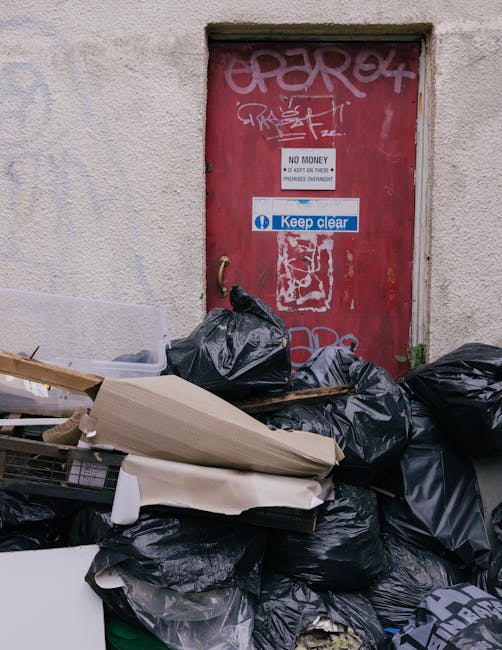
Avoid common problems with rubbish removal in Teddington flats
If you live in a flat, rubbish removal can be strangely complicated. One minute it looks like a simple job, and the next you are juggling stairwells, shared hallways, parking restrictions, building rules, and a pile of old things you no longer want to see. The aim of this guide is straightforward: help you avoid common problems with rubbish removal in Teddington flats and make the whole process calmer, cleaner, and less awkward.
Teddington has plenty of flats where access is tight and neighbours are close by, so a bit of planning goes a long way. Whether you are clearing a single bulky item, a few bin bags, or the aftermath of a bigger tidy-up, the same mistakes crop up again and again. The good news? Most of them are easy to prevent once you know what to look for.
Contents
- Why this matters
- How flat rubbish removal works
- Key benefits and practical advantages
- Who this is for and when it makes sense
- Step-by-step guidance
- Expert tips for better results
- Common mistakes to avoid
- Tools, resources and recommendations
- Law, compliance, standards and best practice
- Options and comparison table
- Case study or real-world example
- Practical checklist
- Conclusion
- Frequently asked questions
Why Avoid common problems with rubbish removal in Teddington flats Matters
Flat-based rubbish removal is rarely just about lifting items out the front door. In a shared building, one small mistake can affect access for everyone. A missed booking, a blocked corridor, or a pile left in the wrong place can become a neighbour complaint very quickly. Let's face it, nobody wants to be "that flat" in the building.
In practical terms, avoiding problems matters because it protects your time, your budget, and your relationships with neighbours and building managers. It also reduces the chance of damage to walls, lifts, stair rails, or flooring. If you have ever tried to move a wardrobe down a narrow stairwell on a rainy evening, you will know the feeling. Not fun. Not worth it.
There is also a trust angle. Good rubbish removal should feel tidy and predictable, not rushed or vague. When you plan properly, you are more likely to get the right vehicle, the right number of people, and the right disposal route. That means fewer surprises and a better result overall.
For people comparing services, it can help to look at the broader support offered by a provider. For example, pages such as flat clearance, waste removal, and pricing and quotes can give you a sense of how a company handles different types of jobs and how transparent they are about costs.
Expert summary: The best rubbish removal in a flat is not the fastest one on paper. It is the one that fits the building, respects access rules, and leaves no mess behind.
How Avoid common problems with rubbish removal in Teddington flats Works
The process is usually simple on the surface. You identify what needs to go, choose a removal method, arrange a collection time, and make sure access is ready. The detail is where people trip up. Flats often mean shared entrances, parking limitations, lift bookings, or a need to coordinate with a concierge or managing agent. That is where good preparation pays off.
In a typical flat clearance or rubbish removal job, you may need to sort items into different categories first. Some things are easy to remove, while others need more care. Old furniture, broken appliances, mixed household rubbish, and renovation waste may all need different handling. If you are dealing with furniture in particular, it is worth comparing the useful guidance on furniture clearance and furniture disposal so you know what to expect.
From there, the collection team normally needs clear instructions: where to park, which floor you are on, whether there is lift access, and whether there are any items that require two people or extra tools. Sounds basic, but missing one small detail can slow the whole job down.
If the rubbish includes items from a loft, garage, or storage area attached to the flat, the planning needs to be even tighter. Access routes can be awkward, and older buildings often have narrow turns or low ceilings. A little patience here saves a lot of swearing later.
Key Benefits and Practical Advantages
When rubbish removal is organised properly, the benefits are immediate. You get your space back, the flat feels more liveable, and the job is finished with less stress. That alone is a big win. But there are a few more practical advantages worth calling out.
- Less disruption: Clear planning keeps hallways, stairwells, and communal areas clear.
- Lower risk of damage: Proper lifting and route planning reduce scuffs, chips, and accidental knocks.
- Better neighbour relations: Quiet, tidy removals tend to cause fewer complaints.
- Faster turnaround: When access is ready, the job is usually done much more smoothly.
- More responsible disposal: Good providers sort and route waste appropriately, including recyclable items where possible.
There is also a mental benefit that people often underestimate. Clutter in a flat can feel heavy. You hear the bags in the corner every time you walk past them, or see that battered chair squeezed by the radiator, and it nags at you. Once it is gone, the room feels different straight away. Quieter somehow.
For households doing a broader tidy-up, related pages like home clearance and house clearance may also be useful, especially where the flat clearance is part of a bigger declutter or move.
Who This Is For and When It Makes Sense
This guide is for anyone in a flat who needs to remove unwanted items without creating a headache for themselves or their neighbours. That could be a tenant moving out, a landlord preparing a property, a homeowner clearing a spare room, or someone dealing with the aftermath of a renovation or long-overdue tidy-up.
It also makes sense if you have bulky items that will not fit neatly in a normal bin collection. Sofas, mattresses, broken wardrobes, builders' offcuts, and mixed junk all tend to create problems if they are left too late. If your building has limited storage or a strict no-dumping policy for communal areas, the need for proper rubbish removal becomes even more obvious.
Some people only need a one-off collection. Others need regular support. For example, a small landlord with several flats may prefer a more structured arrangement, while a resident just clearing after a weekend declutter may only need one visit. Both are valid. The key is to match the service to the situation, not the other way round.
If the job is connected to a workplace flat, rental unit, or mixed-use building, it may also help to look at business waste removal or office clearance where the waste stream is not purely domestic.
Step-by-Step Guidance
Here is a practical way to handle rubbish removal in a Teddington flat without the usual hiccups.
- Identify what needs to go. Walk through each room and separate general rubbish, bulky items, recyclable materials, and anything that should be kept aside.
- Check access before you book. Measure larger items, note stairs or lift access, and think about where a vehicle can reasonably stop. Don't guess.
- Choose the right disposal route. A few bin bags need a different approach from a full flat clearance or a load of old furniture.
- Speak to your building contact. If there is a managing agent, concierge, or landlord, let them know what is happening.
- Prepare the items. Bag loose waste, flatten boxes, detach legs from bulky furniture if sensible, and keep hazardous items separate.
- Set a clear collection point. Make sure items are easy to reach without blocking hallways or fire exits.
- Confirm pricing and payment. A proper quote should be clear about what is included. If anything feels vague, ask before the visit.
- Check what happens after removal. Responsible waste handling matters, especially if some materials can be reused or recycled.
It sounds like a lot, but once you have done it once, the pattern is easy. Most of the stress comes from leaving steps 2 and 4 until the last minute.
A small real-world example: someone clears a one-bedroom flat on a Sunday, only to discover the lift is out of service that morning. If they had checked access the day before, they could have planned around it. Instead, everything is lifted by hand, the hallway gets crowded, and the job runs long. Simple oversight, annoying outcome.
Expert Tips for Better Results
These are the little things that make a big difference in flats. They are not glamorous, but they work.
- Book earlier than you think you need to. Building access and parking are easier to manage when the slot is fixed in advance.
- Keep communal spaces clear. Even short-term obstruction can frustrate neighbours and, in some buildings, cause avoidable complaints.
- Separate valuable items first. A quick scan before removal can save something useful from being thrown away by mistake.
- Use labels or simple notes. If different items are going to different places, write it down. A scrap of paper is fine.
- Ask about recycling and reuse. It is often better to keep recyclable material separate from general waste.
- Think about noise. In shared buildings, early morning dragging and banging can create friction. Mid-morning is often more comfortable.
One more thing: if you are comparing service providers, look beyond the headline promise. A tidy process, clear communication, and sensible handling of awkward items matter just as much as speed. Speed is useful, yes. But calm speed is better.
You may also want to review pages such as recycling and sustainability and insurance and safety if you want extra reassurance around how items are handled and how protection is approached during removals.
Common Mistakes to Avoid
This is where most flat rubbish removal problems start. Not with the waste itself, but with the planning around it.
- Leaving items in the wrong place: Communal corridors and entrances are not a holding area. It may seem convenient for ten minutes, but it creates risk and annoyance fast.
- Underestimating volume: A few bags can turn into a van-full once cupboards and under-bed storage are emptied.
- Ignoring access issues: Narrow stairwells, low ceilings, and lift restrictions can turn a straightforward job into a slow one.
- Mixing everything together: Bulky furniture, food waste, electronics, and renovation debris should not always be treated the same way.
- Not confirming the quote: If the price depends on weight, volume, or item type, make sure you understand that before the team arrives.
- Forgetting the building rules: Some flats have specific collection windows or quiet-hour expectations. It is boring admin, but it matters.
Another common slip is assuming that a quick lift job will be easy because the flat is on the first floor. Sometimes it is. Sometimes the item is too wide for the stair turn, or the lift is smaller than expected. Funny how often that happens. The chair that looked harmless in the living room suddenly becomes a geometric puzzle.
If the waste includes leftover materials from a decorating or repair job, the guidance on builders waste clearance may be helpful, because mixed construction waste often needs a different approach from ordinary household rubbish.
Tools, Resources and Recommendations
You do not need specialist equipment to organise a flat clearance, but a few simple tools make life easier:
- heavy-duty bin bags for loose rubbish
- packing tape and labels for separating items
- gloves for handling dusty or sharp materials
- basic measuring tape for checking furniture dimensions
- a phone camera for photographing awkward items or access points
- a note of building access times and parking restrictions
Those last two are underrated. A quick photo of the stairwell or parking bay can save a lot of back-and-forth later. You might think, "I'll remember that." Then the day arrives and, well, you won't. We all do it.
For a clearer idea of how a service is structured, it can help to read about about us, then compare that with pricing and quotes and terms and conditions. That gives you a stronger sense of how the company communicates, what it expects, and how transparent it is.
If you are clearing larger storage areas as part of the job, loft clearance and garage clearance are useful reference points too, because the access and sorting challenges are often similar.
Law, Compliance, Standards and Best Practice
Flat rubbish removal is not just a practical job; it also sits within normal UK expectations around safe waste handling, property access, and responsible disposal. You do not need to become a legal expert, but it does pay to understand the basics.
First, waste should be handled in a way that avoids nuisance, damage, and unsafe obstruction. In shared buildings, that means keeping communal areas clear and not leaving rubbish in places that could block exits or create hazards. Second, the provider should be able to explain how different waste types are managed. That is especially relevant for mixed rubbish, furniture, or items that could be reused or recycled.
Best practice usually includes:
- clear communication before collection
- safe lifting and moving techniques
- appropriate vehicle loading
- separation of recyclable material where practical
- care around walls, floors, doors, and shared areas
- transparent payment and quotation terms
It is also sensible to check that the people handling the job are covered by sensible safety and insurance arrangements. That is not overcautious; it is just good sense. If a heavy wardrobe catches a wall corner, you want to know there is a process in place.
Pages such as health and safety policy and complaints procedure can help readers understand the standards a company says it works to and what happens if something needs to be raised. Not exciting reading, admittedly, but reassuring.
Options, Methods, or Comparison Table
There is no single best way to remove rubbish from a flat. The right option depends on volume, item type, access, and how quickly you need it gone. Here is a simple comparison.
| Method | Best for | Main advantage | Main drawback |
|---|---|---|---|
| Self-carry to bins or recycling points | Small, light amounts of rubbish | Low cost | Time-consuming and often impractical for bulky items |
| Man and van-style removal | Mixed household waste, furniture, and awkward loads | Flexible and quick | Needs clear access and accurate item estimates |
| Full flat clearance | Complete clear-outs, moves, or end-of-tenancy jobs | Efficient for larger volumes | Needs more planning and may cost more than a small collection |
| Specialist clearance for furniture or bulky items | Large sofas, wardrobes, beds, and similar pieces | Better handling for heavy items | May need item-specific preparation |
For most flats, the choice comes down to scale. A couple of black bags is one thing. A dismantled bed base, a sofa, and six bags of mixed clutter is another. No shame in choosing the option that makes the day easier.
Case Study or Real-World Example
A realistic example: a tenant in a Teddington flat is moving out and needs to clear an old sofa, a broken chest of drawers, and several bags of general rubbish. At first, it seems manageable. Then the details appear. The sofa is too bulky for the lift, the stairwell is narrow, and the building has a time window for noisy work.
The fix is simple, but only because it is planned properly. The items are measured in advance, the building contact is informed, and the collection is scheduled for a quieter mid-morning slot. The drawers are emptied and the loose rubbish is bagged before the team arrives. The sofa is removed carefully, without scraping the wall or leaving bits behind. Job done, flat cleared, no awkward run-in with the neighbours in the hallway.
That is the pattern you want. Not dramatic. Not rushed. Just organised enough that the work feels easy in hindsight. Truth be told, most good rubbish removal looks almost boring when it goes well. That is usually a sign things were handled properly.
Practical Checklist
Use this quick checklist before collection day:
- Have I listed every item that needs to go?
- Have I checked whether any items need special handling?
- Do I know the lift, stair, and parking access situation?
- Have I told the building manager, landlord, or concierge if needed?
- Are hallways and exits clear?
- Are valuables, documents, and keep-items set aside safely?
- Have I confirmed the quote and what it includes?
- Do I understand where recyclable items are going?
- Have I chosen a collection time that suits the building?
- Do I know who to contact if plans change on the day?
If you can tick off most of those points, you are already ahead of the usual problems. It really does make the difference.
Get a free quote today and see how much you can save.
Conclusion
To avoid common problems with rubbish removal in Teddington flats, the real trick is not to rush the decision. Check access, sort the waste, confirm the quote, and keep the building in the loop. Do those things and the process becomes much less stressful, even if you are dealing with bulky items or a tight stairwell.
Most issues in flats come from the same few causes: poor planning, vague communication, and underestimating how awkward shared spaces can be. Once you know that, you can stay one step ahead. And honestly, that is half the battle.
With a bit of care, the job gets done cleanly, neighbours stay happier, and your flat feels like yours again. That is a pretty decent outcome, all things considered.
Frequently Asked Questions
What is the biggest problem with rubbish removal in flats?
The biggest problem is usually access. Narrow stairwells, shared entrances, lift limits, and parking restrictions can all slow things down if they are not checked beforehand.
How do I avoid complaints from neighbours during rubbish removal?
Keep communal areas clear, choose a sensible time slot, move items out quickly, and let the building manager or concierge know in advance if required. A little notice goes a long way.
Can I leave rubbish in the hallway for collection later?
Usually, no. Hallways and shared entrances should stay clear because they are common access routes and may also need to remain unobstructed for safety reasons.
What should I do with bulky items like sofas or wardrobes?
Measure them first, check whether they can fit through the route, and prepare them for removal if needed. If they are too awkward, a specialist bulky-item collection is often the better option.
Is it better to use a full flat clearance or a one-off rubbish removal?
It depends on volume. For a few items, one-off rubbish removal is often enough. For a major declutter, move-out, or inherited flat, a full flat clearance makes more sense.
How far in advance should I arrange rubbish removal for a flat?
As soon as you know the collection day would be helpful, especially if the building has access rules or limited parking. Booking early reduces avoidable stress.
What if the lift is too small or not working?
That is exactly why access checks matter. If the lift is too small or unavailable, the removal team may need to use stairs or adjust the plan, which can affect timing and effort.
Do I need to sort recycling before collection?
It is sensible to separate anything that can be reused or recycled where practical. It helps keep the load organised and may support more responsible disposal overall.
How do I know if a quote is fair?
A fair quote should explain what is included, how the job is priced, and whether anything could change based on item size or access. If it feels vague, ask for clarity before agreeing.
What happens to the waste after it is removed?
That depends on the provider and the type of waste. Good practice is to sort materials sensibly and route them to the appropriate disposal or recycling process, rather than treating everything as general rubbish.
Can rubbish removal be done safely in older Teddington flats?
Yes, but older buildings often need extra care because of tight turns, narrow doors, and delicate finishes. Slow, careful handling is usually better than trying to rush the job.
Should I choose a company that also offers recycling and safety information?
It is a good sign when a provider is transparent about both. Pages like recycling guidance and safety information help show that the business thinks beyond just lifting items out the door.